It may be time to update F3EAD.
Find, Fix, Finish, Exploit, Analyze, and Disseminate (F3EAD) has been in the Army Targeting manual (FM 3-60) for many years and is still the standard targeting methodology used at the tactical level.
1,2,3 But the methodology was purpose-built for a mission, an enemy, and an operational environment, that most US forces no longer face.
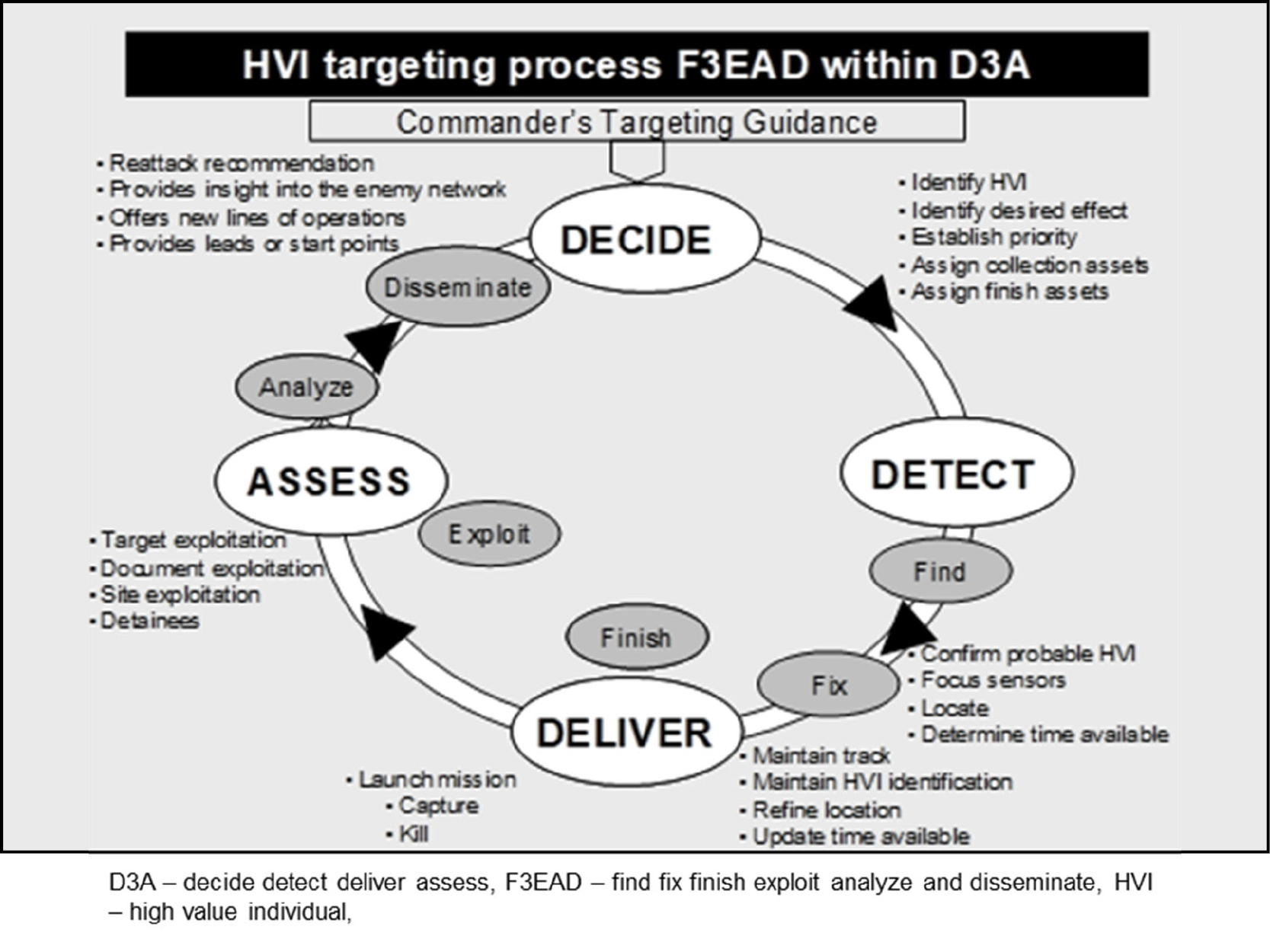
Figure 1. High-value individual targeting process. FM 3-60, Aug. 11, 2023, Figure I-2.
Effective F3EAD targeting requires speed, creating a rapid feedback loop that leverages successful targeting actions to drive follow-on targeting actions. This emphasis on speed is different from violence of action. Speed in this context refers to tempo, posturing intelligence and operations to coordinate and move through planning and execution for successive targets with agility, never giving adversary networks time to react and adjust.
4,5
Enabling this speed is the idea that intelligence gained from a targeting action such as a direct action raid against a high-value individual, is prioritized for immediate exploitation and analysis.
6,7 Ground units of action may even conduct this exploitation and facilitate this analysis while still on the objective, tactically questioning a high-value individual and ripping cell phones, then immediately disseminating information to cue a collection asset, such as aerial intelligence, surveillance, and reconnaissance platforms. If information gained from the raid indicates the probable whereabouts of another high-value individual, intelligence, surveillance, and reconnaissance is on standby waiting to receive this information, then immediately moves to find and fix that follow-on target.
8
In the early years of the Global War on Terrorism, exploitation and analysis of collected exploitable material often took days to weeks. The introduction of the F3EAD methodology compressed this timeline down to hours or even minutes, and by the peak of Global War on Terrorism, it was not uncommon for units to conduct multiple back-to-back night raids as a matter of course. However, many US forces using the F3EAD methodology today may not be conducting operations at that operational tempo.
What has changed?
The political environment is different.
- While partner nations may still be working to destroy violent extremist organization networks within their borders, and US forces may still provide support to foreign internal defense, most countries where US forces operate are not active war zones, and the Department of War often does not unilaterally make operational decisions. Host nation governments have a say.
- Operations may be prohibited in certain politically sensitive regions, meaning US and partner forces may have to wait for the target to move into an area where a finish is politically feasible.
The adversary is different too.
- Violent extremist organization know the laws and political climates in the countries and regions where they operate, and violent extremist organization members often move to political safe havens where US and partner force targeting is prohibited or discouraged by the host nation.
- Adversary networks are often non-contiguous and geographically dispersed. Exploitation and analysis of collected exploitable material from a successful raid may reveal that an associated high-value individual is located, not down the street, but perhaps on the other side of the country (or the other side of the world).
- Even where individuals within an adversary network may be operating in close geographic proximity, changes to technology and violent extremist organization tactics, techniques, and procedures often increase the analytical burden required to find and fix follow-on targets. Violent extremist organization may compartmentalize information on the whereabouts of their members, meaning tactical questioning and rapidly accessible information from phones or documents may not reveal anything immediately actionable.
The Cumulative Effect
As a result of these changes to the operational environment, targeting is slower.
9
A collection mission may lead to US forces achieving fix on a target, but that collection asset may move off the target before a finish force is ready to execute. As an example, suppose human intelligence and signals intelligence inform a detailed pattern-of-life analysis on a high-value individual. The probable location of the high-value individual is narrowed to a few sites, cueing aerial intelligence, surveillance, and reconnaissance. That airborne platform then positively identifies the high-value individual at a specific location at a specific time – perhaps at an assessed bed-down location at midnight.
10
Fix is achieved.
But eventually that sensor returns to base. For how long after that sensor has returned to base would US forces still purport to have fix on the target?
Minutes? Perhaps.
Hours? Probably not.
Weeks? Certainly not.
Aerial intelligence, surveillance, and reconnaissance may return to that residence on a continual basis, re-achieving fix and strengthening assessments about the high-value individual’s likely whereabouts during follow-on gaps in collection. But fix would still need to be re-gained prior to any force execution.
The F3EAD methodology does not enable easy accounting for this operational reality. Target packets, target dashboards, working group slides, concepts of operation and many other such things frequently make use of the F3EAD stoplight chart.
As targeting analysts work through pattern of life development on a high-value individual, the “Find” box on the chart may be amber, and all subsequent steps red. Once collection assets achieve fix, both the “Find” and the “Fix” boxes are filled in green. The unit begins planning to action the target. The concepts of operation begins working its way through multiple echelons of staffing, and liaison officers initiate coordination and deconfliction with interagency partners and host nation governments.
Meanwhile, collection assets have been diverted to other targets, perhaps ones in initial development, or already approved for action. Days pass. The targeting analysts can no longer confirm the whereabouts of the high-value individual. Fix has been lost, but all the stoplight charts still have the “Fix” box filled in green.

Figure 2. F3EAD Stoplight Chart Example
Confusion ensues as staffers brief the targeting packet to the commander. The briefing slide shows “Fix” is green, implying that the target’s location is currently and persistently known, but the staffer briefs the last collection was nine days ago.
“How do we still have fix?” the commander asks.
There is a momentary, uncomfortable silence.
Everyone in the room knows the answer intuitively, but that poor staff officer cannot find the words to explain himself. The doctrine and unit standard operating procedures provide no ready framework to articulate the current status of that target.
The down-trace unit does not have fix but has sufficiently robust historical pattern of life data on the target that the unit anticipates being able to re-gain fix with 24 to 48 hours of persistent surveillance leading up to execution.
So, should the “Fix” box on the stoplight chart be amber, then?
What would that imply? Partially fixed? What would “partially fixed” even mean?
What is to be done?
To resolve this confusion, I propose the addition of a “track” step to the F3EAD targeting methodology – find, fix,
track, finish, exploit, analyze, and disseminate.
F2TFEAD.
“Eff too tea feed.” Rolls off the tongue, doesn’t it.
The dynamic targeting process in joint doctrine provides a helpful framework for describing the transition from the
fix to the
track steps. Once a target has been detected and chosen for further development (find phase), collection is planned.
11 Fix is achieved when the target’s identity and precise location have been confirmed.
12 The track step emphasizes maintaining custody of the target in time and space. Multiple sensors may be coordinated to continuously monitor the activity and movement of the target.
13 Any time custody over the target is lost, the target must be re-acquired and the track step restarted.
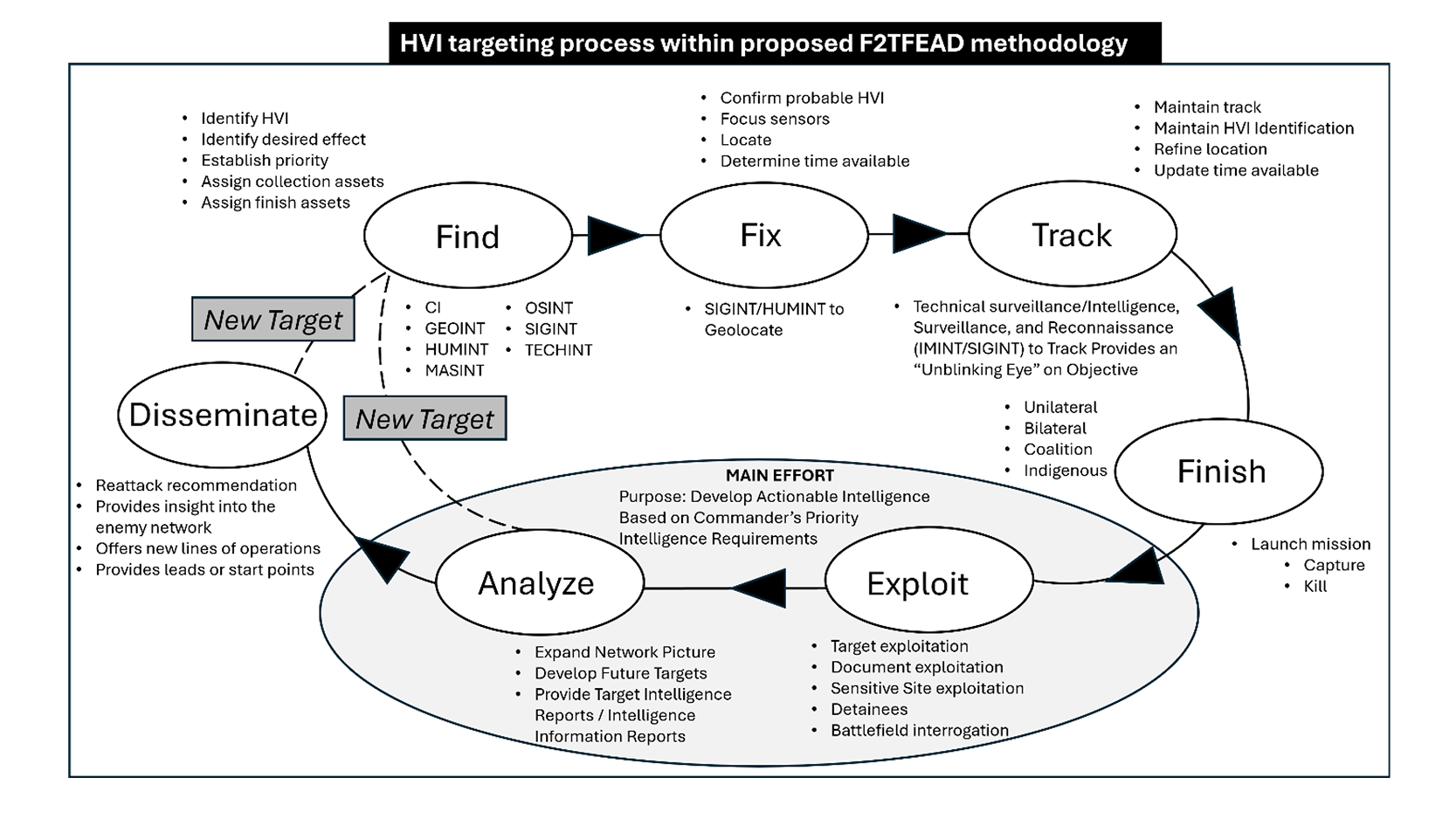
Figure 3. High-value individual targeting process within proposed F2TFEAD methodology
The addition of the track step to the F3EAD targeting methodology allows for clarification that a target’s identity and location may have been confirmed, but that target will still need to be re-acquired when collection assets become available again or upon approval for force execution.
This clarification not only reduces confusion during the CONOP staffing process; the addition of the track step also improves the analytical framework used by targeting teams, allowing them to better account for gaps in understanding of a target’s pattern of life, acknowledging the extent to which collection capabilities and limitations contribute to confidence assessments about the likely whereabouts and status of targets.
The addition of the track step also better enables collection managers at echelon to prioritize the allocation of scarce resources. When down-trace units declare a target “fixed,” this may help the CONOP get prioritized for staffing, but it can also result in higher echelon collection assets being re-allocated away from the target, as collection managers mistakenly assume the down-trace unit has its own organic assets tasked with persistent surveillance on the target.
When F3EAD was developed and formalized in the mid-2000s, US forces were undergoing an increase in operational tempo unprecedented in modern times. From a tradition of “occasional, exquisitely planned, surgical strike,” US forces moved into an era where units often conducted multiple operations a day.
14 Find, Fix, Finish helped drive such sustained intensity. Now, the pendulum has swung back the other way. The tempo of targeting has slowed once again. Find, Fix,
Track, Finish refines the F3EAD targeting methodology for the current operational environment.
Now may be an opportune time to update the doctrine to enable standard operating procedure refinement and improve the F3EAD targeting methodology across the operational force.
F2TFEAD.
Authors Note: This article is published by Sgt. 1st Class Benjamin Clowden, a pseudonym for an active-duty Soldier currently serving U.S. Army Special Forces footprint. Viewpoints, opinions, and analysis expressed in this article are those of the author and do not represent those of the U.S. Army or the Department of War.
References
1. U.S. Department of the Army,
The Targeting Process, FM 3-60. Washington, DC: Department of the Army, 26 November 2010.
2. U.S. Department of the Army,
Targeting, ATP 3-60. Washington, DC: Department of the Army, 07 May 2015.
3. U.S. Department of the Army,
Army Targeting, FM 3-60. Washington, DC: Department of the Army, 11 August 2023.
4 . U.S. Department of the Army,
Operational Terms, FM 1-02.1. Washington, DC: Department of the Army, 28 February 2024. “Tempo — The relative speed and rhythm of military operations over time with respect to the enemy” (Ch. 1).
5 . U.S. Department of the Army,
Operational Terms, FM 1-02.1. Washington, DC: Department of the Army, 28 February 2024. “Agility — The ability to move forces and adjust their dispositions and activities more rapidly than the enemy” (Ch. 1).
6 . U.S. Department of the Army,
Army Targeting, FM 3-60. Washington, DC: Department of the Army, 11 August 2023. “The force must also be prepared to conduct follow on operations based on information found during exploitation on the objective” (para. I-29).
7 . U.S. Department of the Army,
Operational Terms, FM 1-02.1. Washington, DC: Department of the Army, 28 February 2024. “Direct action – Short-duration strikes and other small-scale offensive actions conducted as a special operation to seize, destroy, capture, exploit, recover, or damage designated targets” (Ch. 1).
8 . U.S. Department of the Army,
Army Targeting, FM 3-60. Washington, DC: Department of the Army, 11 August 2023. Calls for “massing intelligence resources” with “focus and priority,” which “should be unwavering for a specified time” (para. I-16).
9 . U.S. Department of the Army,
Army Targeting, FM 3-60. Washington, DC: Department of the Army, 11 August 2023. Appendix I, states that in F3EAD, “the find step may take a considerable amount of time from days to even weeks as targets are identified, and the target's network is mapped and analyzed” (para. I-8).
10 . U.S. Department of the Army,
Army Targeting, FM 3-60. Washington, DC: Department of the Army, 11 August 2023. “F3EAD features massed, persistent reconnaissance, or surveillance cued to a powerful and decentralized all source intelligence apparatus to find a HVI in the midst of civilian clutter and find his exact location” (para. I-5).
11. U.S. Joint Chiefs of Staff,
Joint Targeting, JP 3-60. Washington, DC: Joint Chiefs of Staff, 20 September 2024. “Output of the find step—potential targets detected and nominated for further development” (p. III-27).
12. U.S. Joint Chiefs of Staff,
Joint Targeting, JP 3-60. Washington, DC: Joint Chiefs of Staff, 20 September 2024. “Output of the fix step: 1. Target PID and prioritization. 2. Target location accuracy refined for target engagement” (p. III-29).
13. U.S. Joint Chiefs of Staff,
Joint Targeting, JP 3-60. Washington, DC: Joint Chiefs of Staff, 20 September 2024. “Step 3—Track (a) During this step, the target is observed, and its activity and movement are Monitored… Multiple sensors should be coordinated to maintain situational awareness, continuity of the track, and custody of the target” (p. III-29).
14. McChrystal, General Stanley A., Tantum Collins, David Silverman, and Chris Fussell. Team of Teams: New Rules of Engagement for a Complex World. New York, NY: Portfolio/Penguin, 12 May 2015. “At first we had to adjust to the speed and scale of this fight. We had traditionally functioned in a slower rhythm, conducting occasional, exquisitely planned, surgical strikes, but now we were conducting operations nearly every day, often doing multiple raids simultaneously” (p. 50).